
Ownership
“What if you don't wake up tomorrow?”
The shares are signed over in an afternoon. The question that lingers is whether everything holds if you are not there tomorrow.
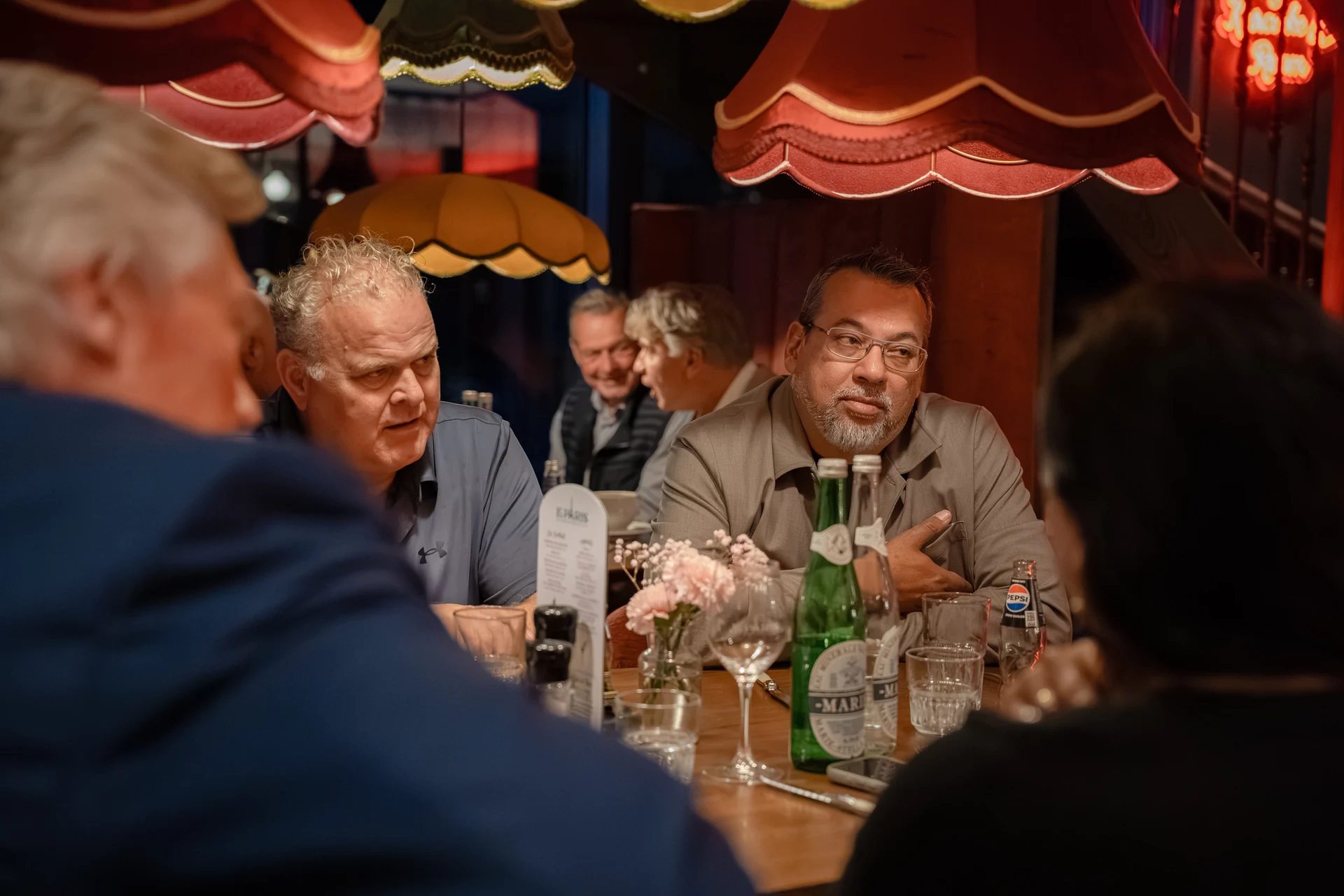
Family Business Succession Dinner
A look back at an afternoon and evening on succession, authority and the culture one generation passes on to the next.
A private afternoon and evening for senior and next generation from Dutch family businesses.
About succeeding, letting go and leadership. About what you pass on once we take the buildings and the money off the table for a moment.
You can work in the family business for ten years and still not know when it truly becomes yours.
Senior can know exactly what he wants to hand over one day, while junior wonders how much freedom will actually come with it.
A succession plan can be perfectly clear on paper, while the questions about trust, mandate, identity and leadership are still wide open.
That layer is why we organised the Succession Dinner: a table for families who wanted to look beyond the formal handover and explore, with other generations, what succeeding well actually asks of them.
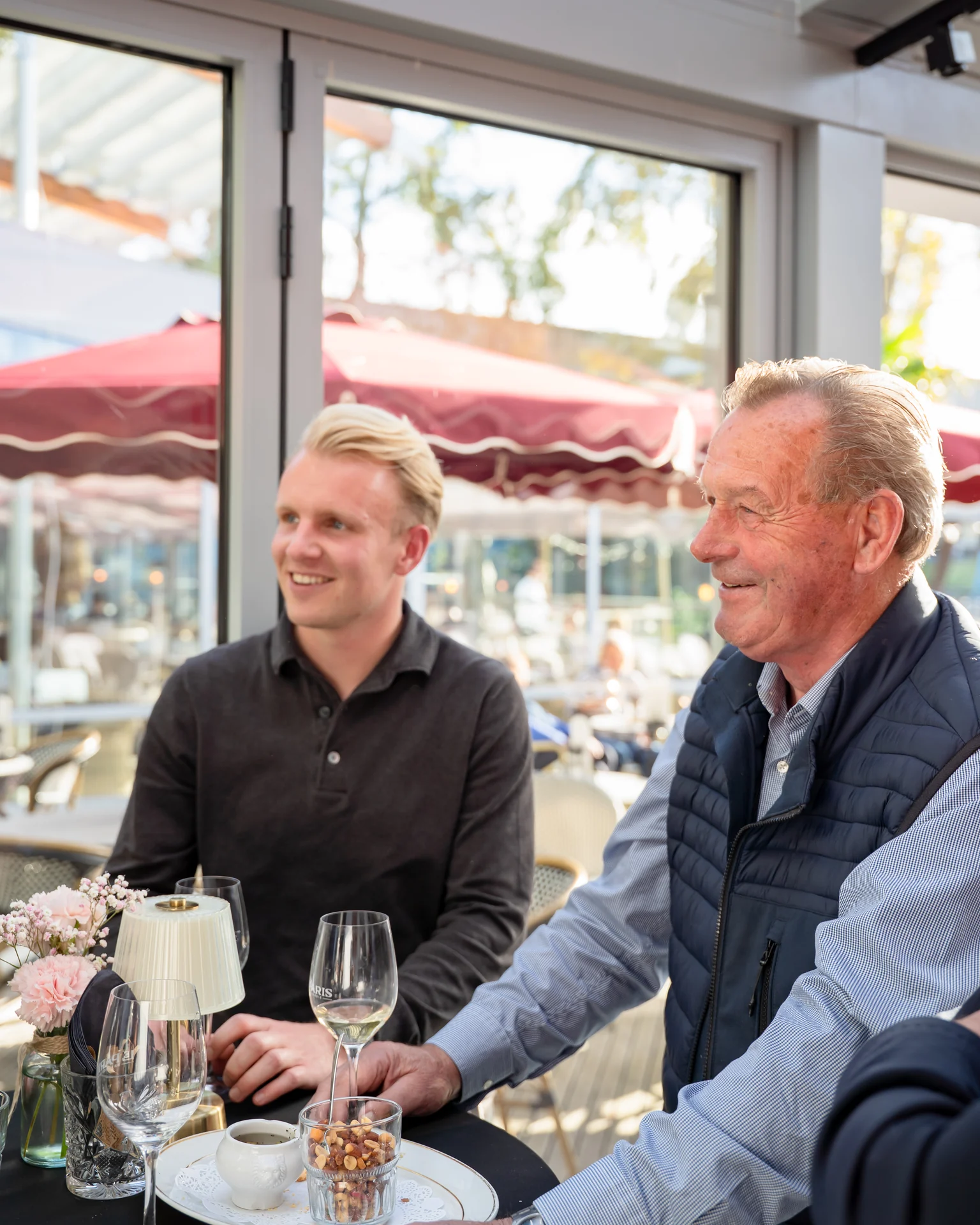
Family businesses rarely build for the next quarter alone. Decisions can still be felt generations later.
That is why passing on means far more to us than ownership.
What do you want to remain? Which convictions made the company what it is? Which of those still fit the next phase? And what does the next generation want to leave behind?
And how do you pass on something that holds a large part of your own life, while the person after you also has to be able to make it their own?
Maybe the company will ask for different leadership. Maybe the role of the family changes. Maybe succession turns out not to be a one-to-one replacement at all.
Those questions were the starting point for an afternoon and evening with both generations at the table.
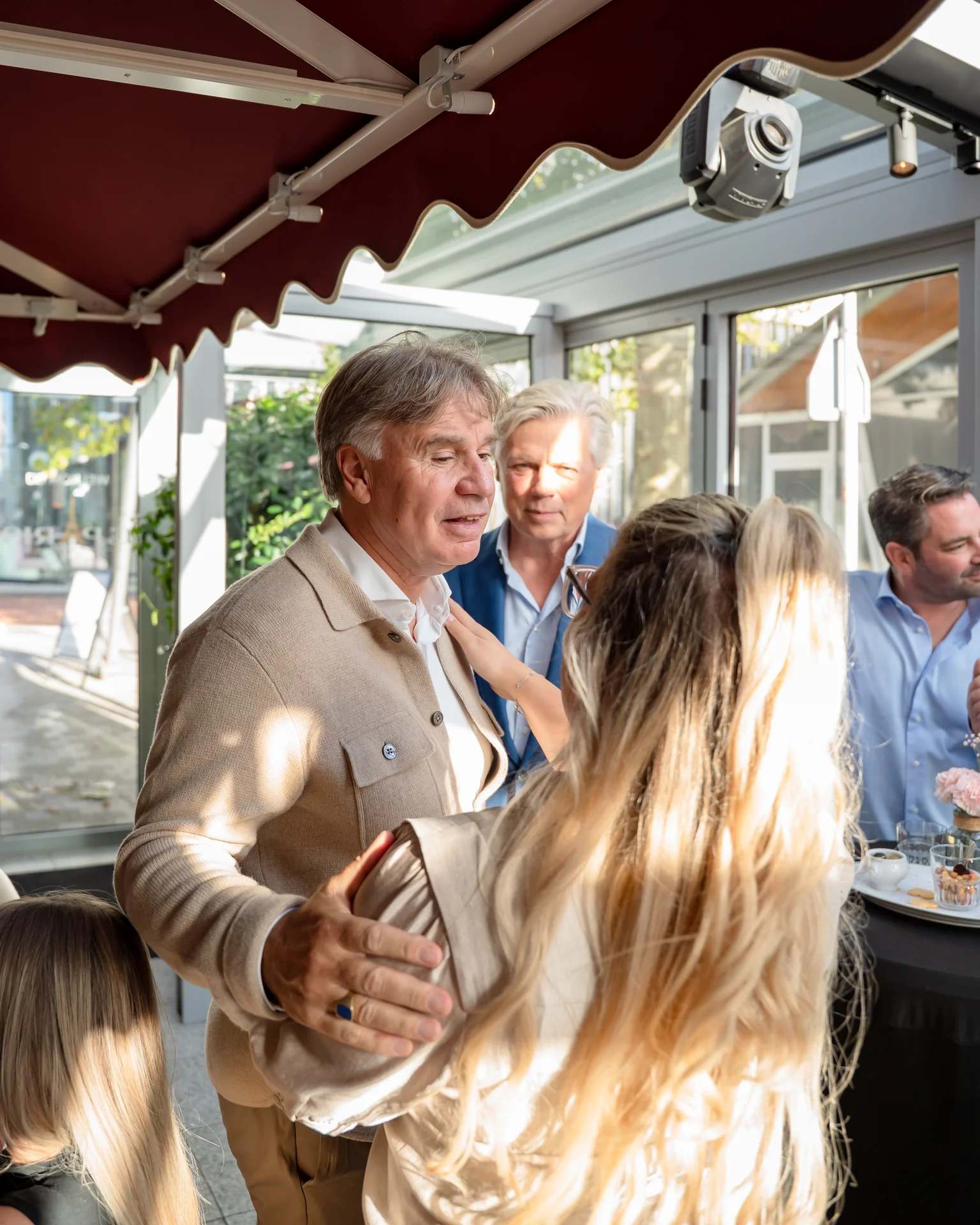
For this first gathering we were guests of René Bogaart at Le Paris.
When we told René about the idea for the Succession Dinner, he was immediately enthusiastic. That is no coincidence. René has a warm heart for family businesses and knows the particular combination of entrepreneurship, family and responsibility that comes with it better than most.
Over the years he built an impressive family business. A next generation, including his son Don Bogaart, is now growing into that entrepreneurial world as well.
Many people in the Netherlands know the family from the SBS6 series De Bogaartjes. For this table, what mattered more was their own experience as an entrepreneurial family in which two generations each have their own view of what has been built, what may be kept and what the next generation has to shape for itself.
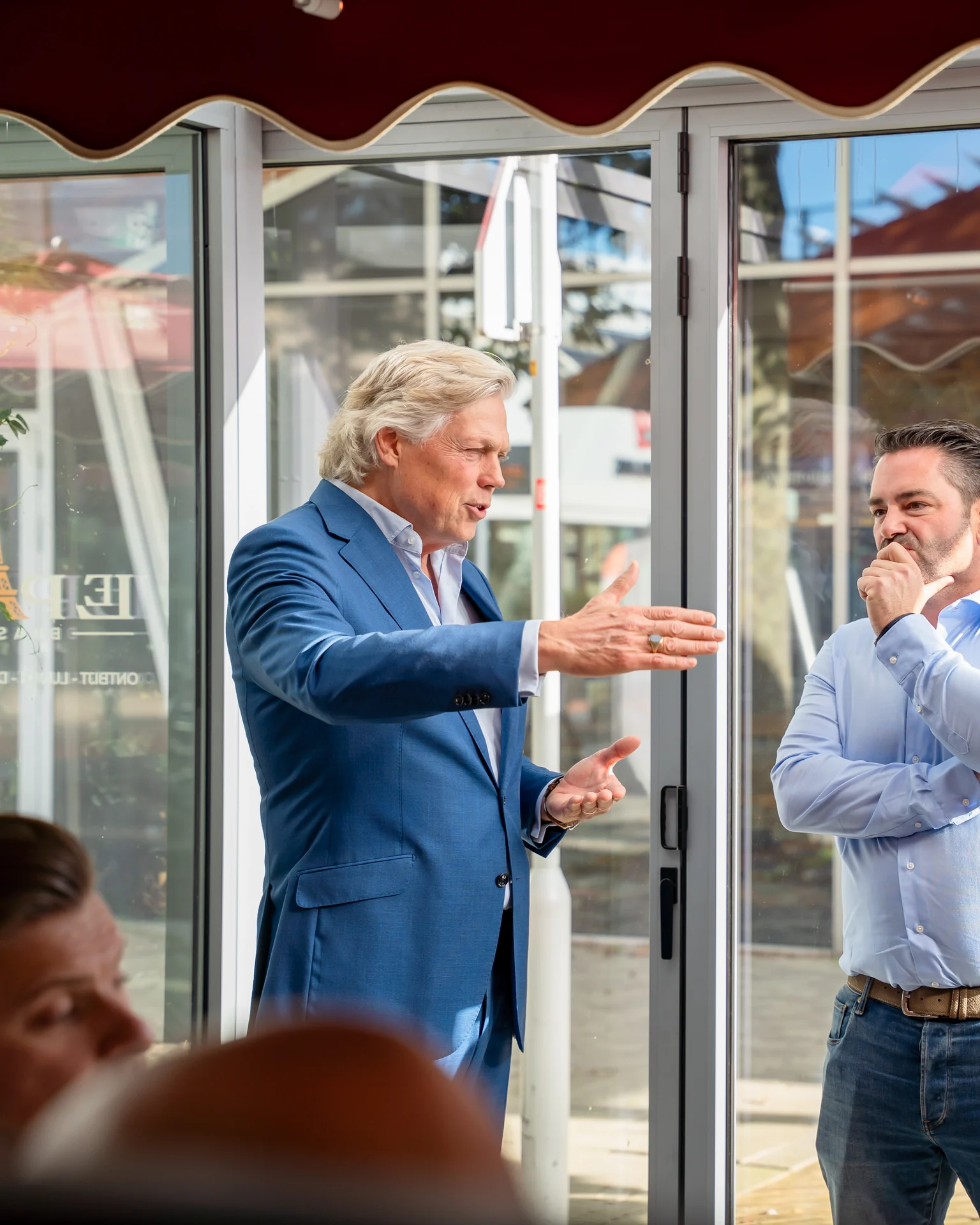
A good conversation about succession asks for someone who hears what sits behind a first answer.
Roelof Hemmen worked for more than twenty years as a newsreader and presenter at RTL Nieuws, and afterwards presented at BNR Nieuwsradio and Radio 538, among others. His experience in listening, asking further and finding the story behind the story shaped the afternoon.
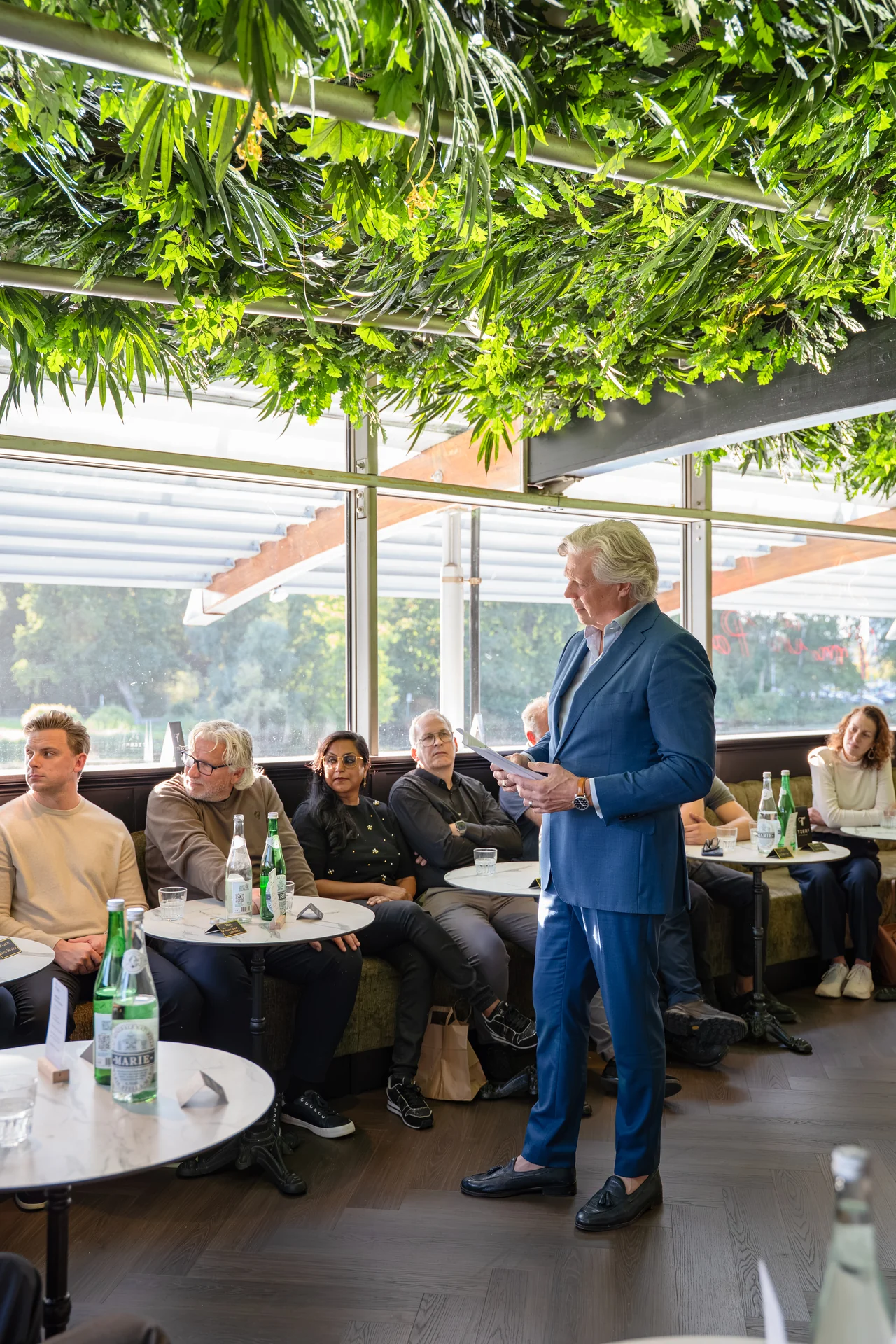
Roelof led one shared conversation between different families and generations, with room for recognition, for difference and for questions that had sometimes been on the table at home for years without being spoken out loud.
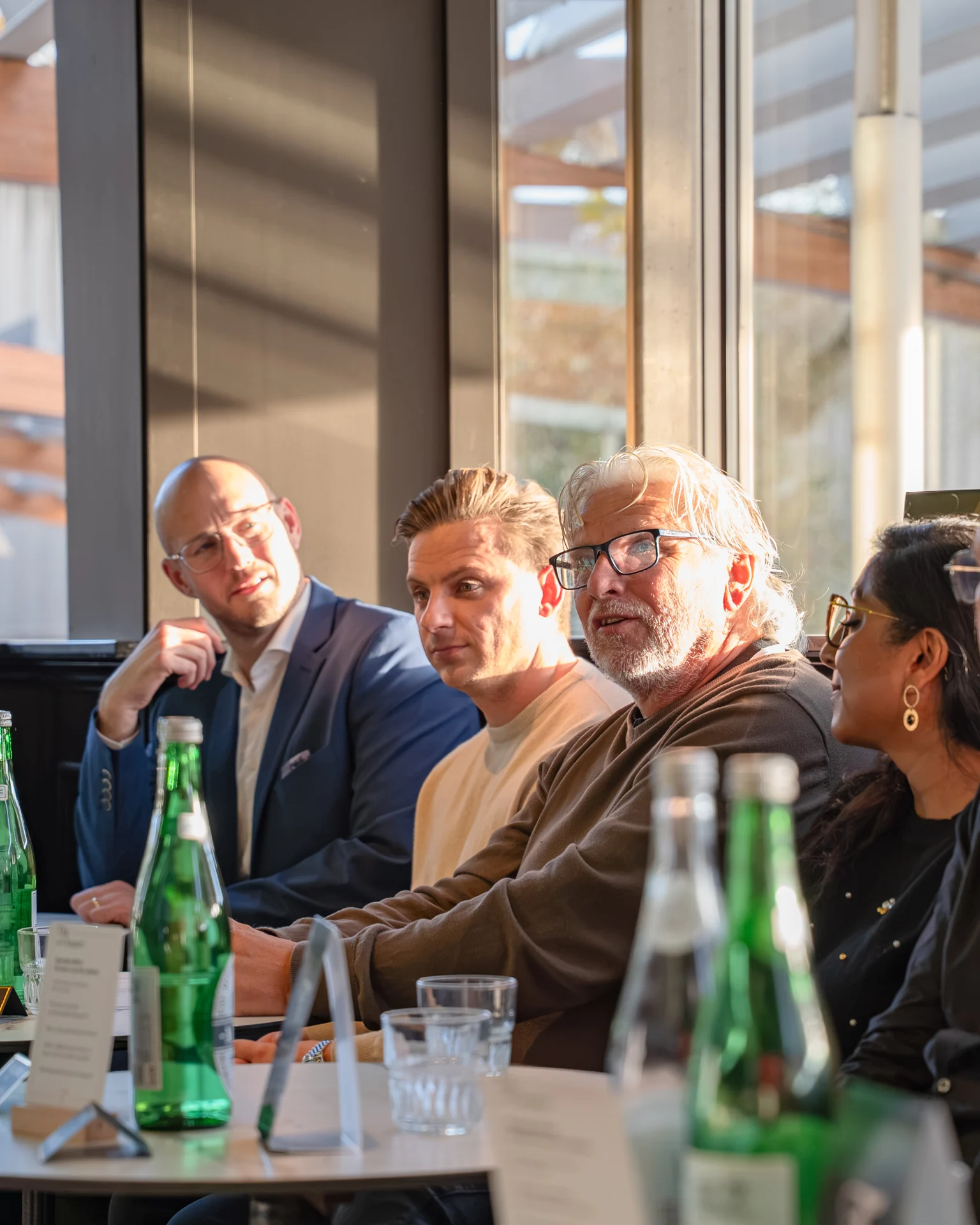
We deliberately bring together family businesses from different industries and different phases.
For one family the handover is close. In another, the next generation has been working alongside for years. And sometimes it is still entirely open which place junior eventually wants to take within the company.
The context differs. The big questions turn out to be strikingly often the same.
How much room do you really give? When does guiding turn into holding on? What if junior sees a different direction? What happens when senior is not ready to let go at all? And what leadership does the company actually need once the next phase begins?
Succession cannot always be planned around a chosen departure date. Unexpected absence also came up. Who can make decisions then? Who knows what has been agreed? And what needs to be arranged in advance to keep the business running?
The conversation brought preparation into practical focus: considering different scenarios, recording arrangements and revisiting them as circumstances change. Not only for a future handover, but also for continuity today.
“Should anything happen to me, make sure everyone is properly looked after.”
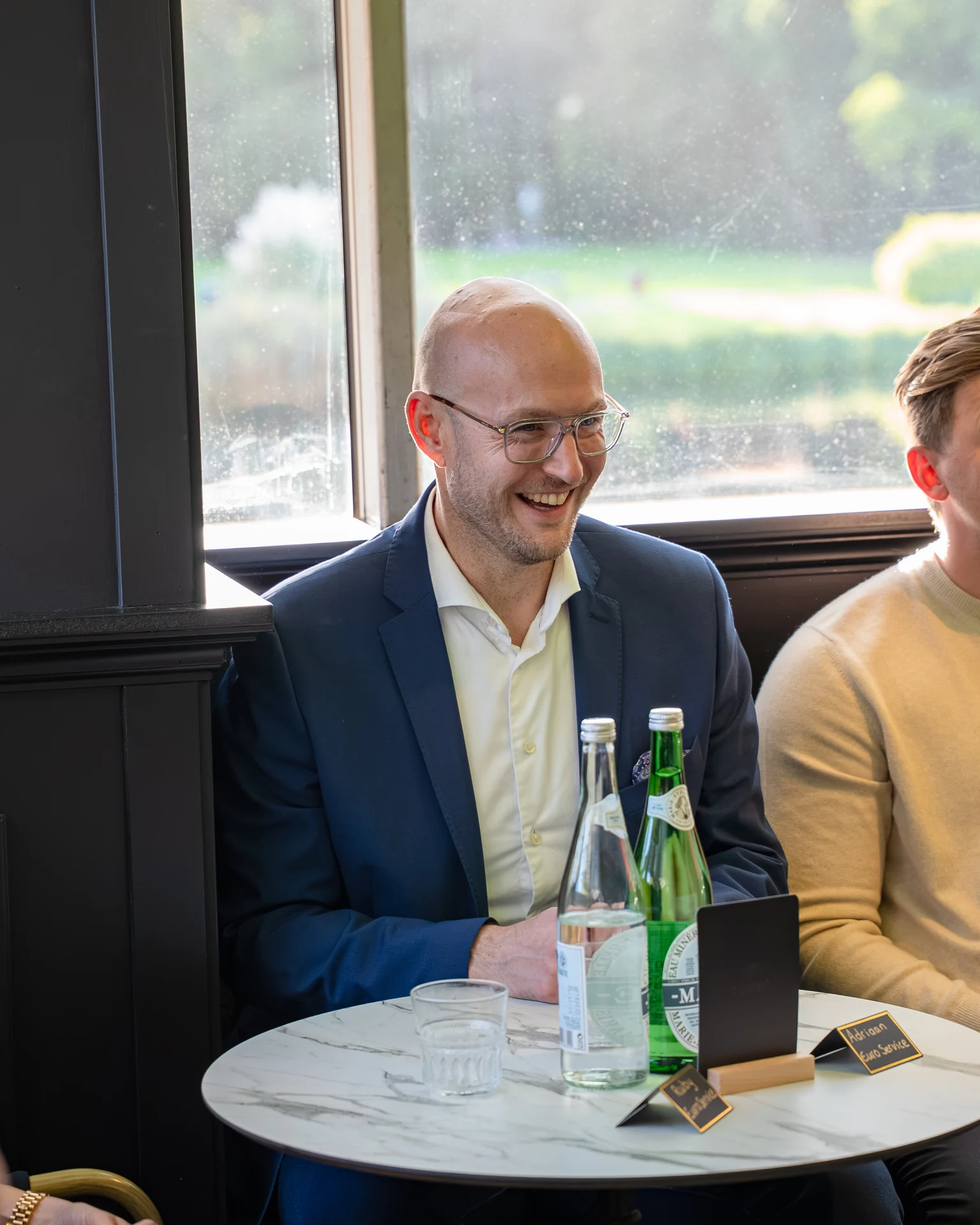
When the next generation takes the lead, the predecessor’s experience does not disappear. It can remain valuable. At the same time, the successor needs room to make their own choices.
The discussion explored that relationship: offering support without drawing every decision back to yourself, and taking responsibility without having to do everything alone. No fixed formula emerged for the right distance. The questions concerned roles, trust and the direction both generations have in mind.
“It is also about granting freedom.”
Continuity does not mean keeping everything the same. Different ways of working, changing markets and differing views on decision-making were part of the discussion.
Beneath them lay a question that goes beyond shares: what should be retained because it matters to the business, and what does its next phase require you to do differently? The dinner offered room to explore those questions across generations. The existing articles below take the analysis further.
“Every new venture is a new exam.”
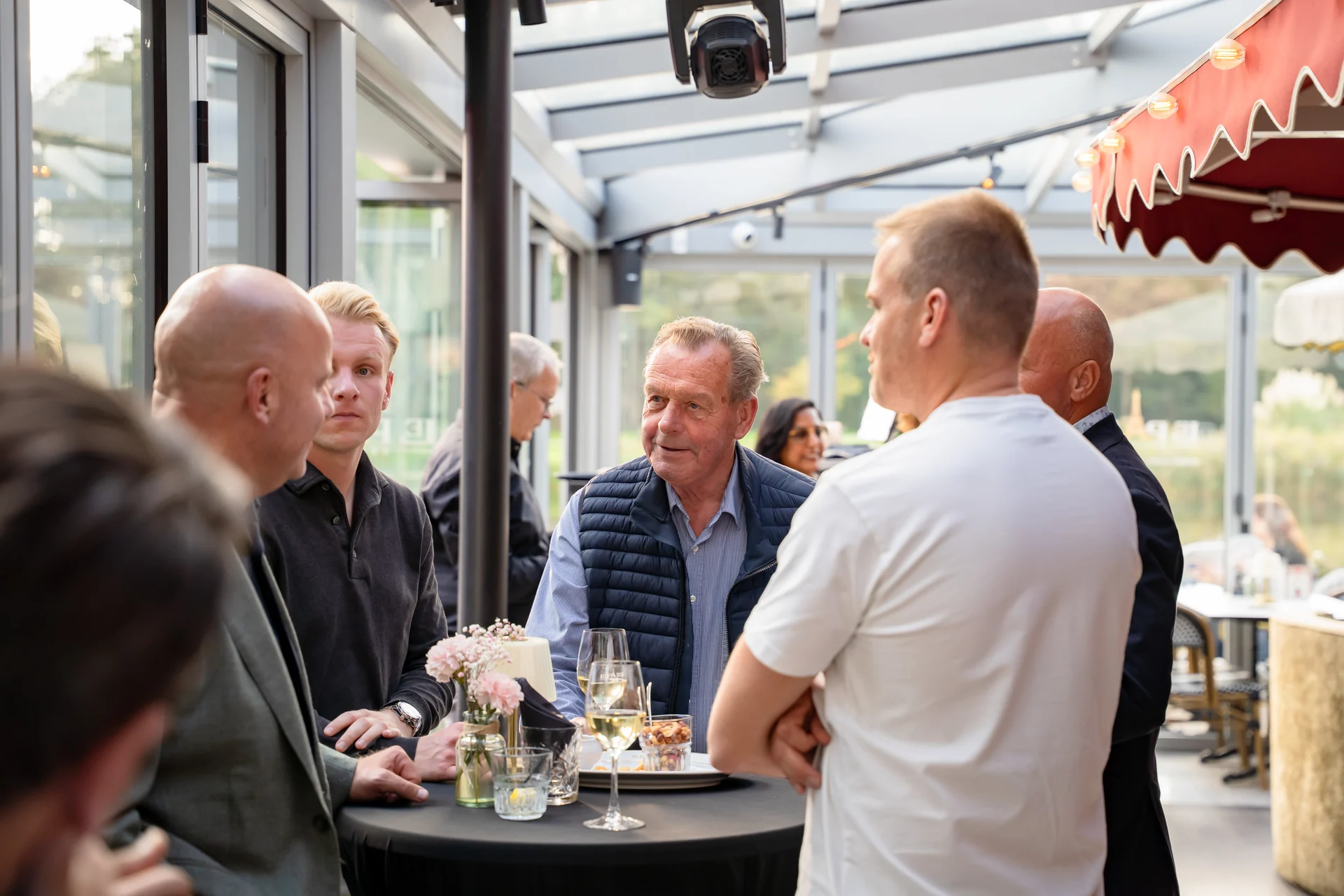
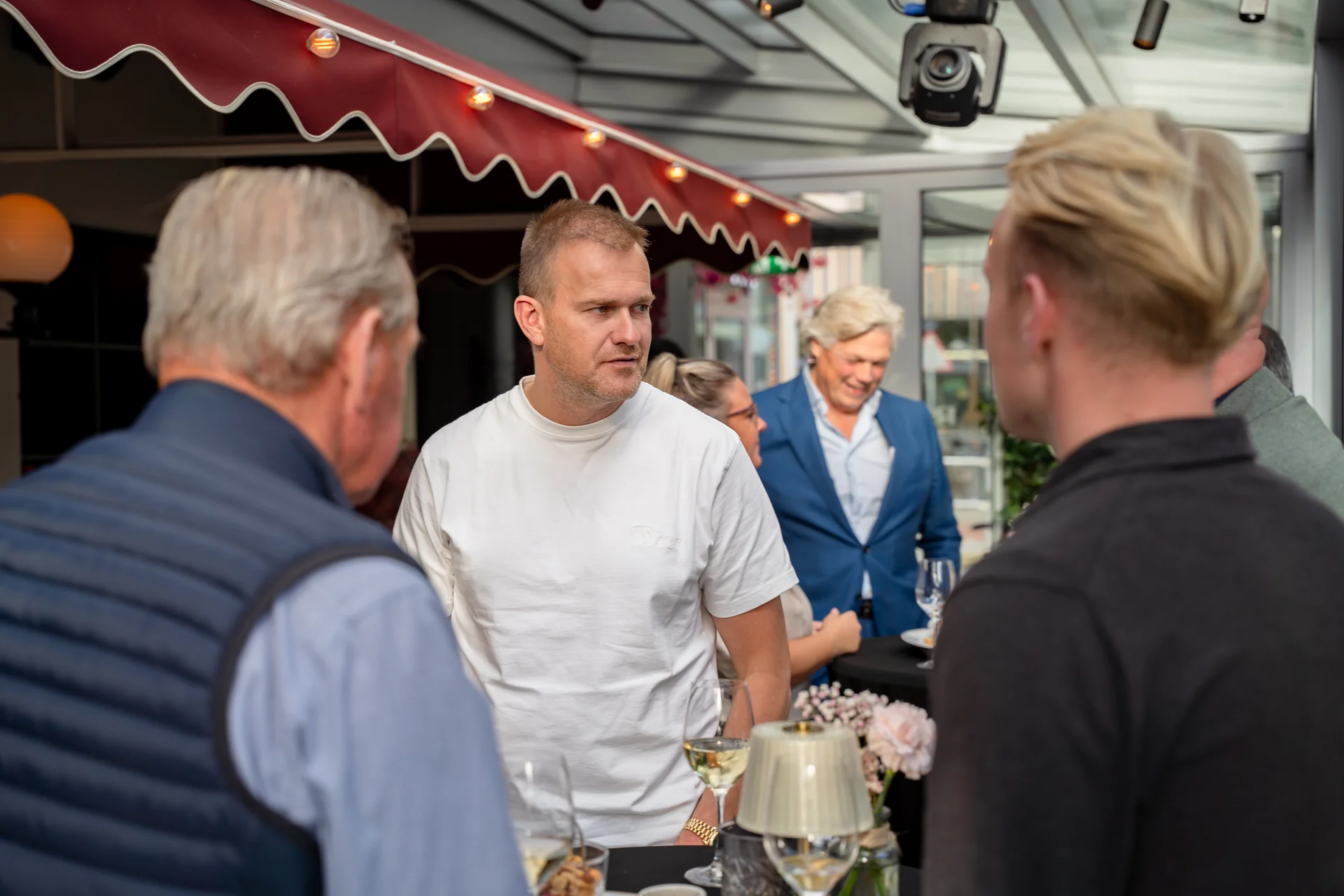
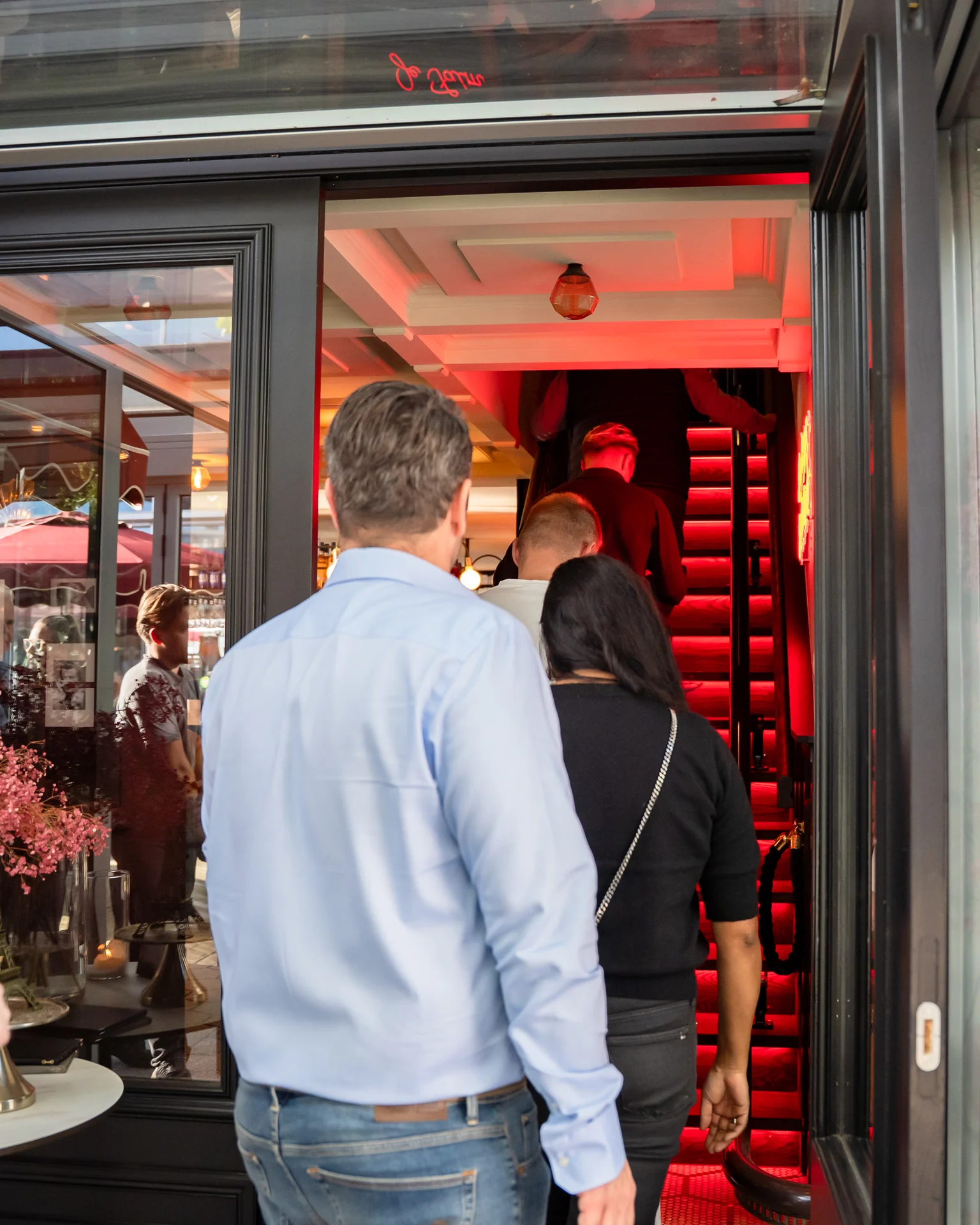
Welcome — We receive the families at Le Paris, with a glass of bubbles in the conservatory.
The succession conversation — Led by Roelof Hemmen, senior and next generation talk together, in the room upstairs.
The succession dinner — We move to the restaurant under the Eiffel Tower for a three-course dinner.
Close
“What if you don't wake up tomorrow?”
The shares are signed over in an afternoon. The question that lingers is whether everything holds if you are not there tomorrow.
“Once we say yes, we go for it.”
A title on the door means little if every decision still runs past the previous generation. Real authority shows when the successor says yes and it stands.
“You don't want to be the old man who says he has tried everything and knows better.”
Stepping out of the child's role takes time, for the successor and for the people who knew them as a teenager in the business. Respect is earned, not inherited.
“Why is it so hard to point everyone the same way? Because we differ on the fundamentals.”
Families agree on the business, until the conversation turns to growth, risk or the pace of change. That is where the unwritten rules surface.
“It would be a waste if no one is there to hold the baton.”
Generations of work and hundreds of people depend on someone holding the baton. Say out loud what must remain, and who looks after it once the founder steps back.
“Every five years I set out what should happen to the business, and adjust it.”
Everyone intends to arrange it properly one day. The guests who slept well had it on paper: a will, a power of attorney, a stand-in, and a plan they revisit.
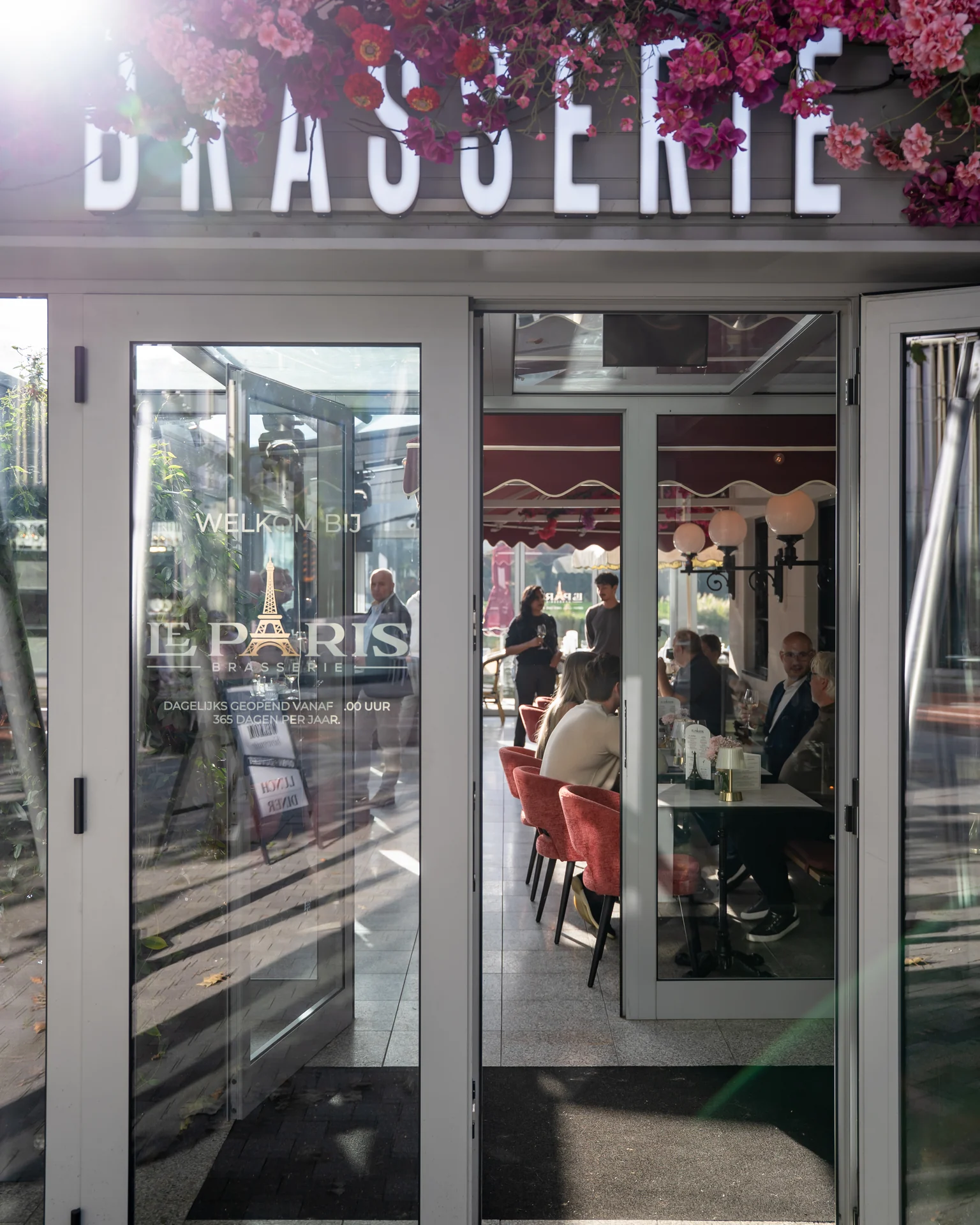
The gathering took place at Le Paris in Leidschendam, one of the hospitality venues of the Bogaart family.
The afternoon conversation was followed by dinner downstairs in the restaurant around the Eiffel Tower.
Away from their own businesses, the families had an afternoon and evening to consider succession together.
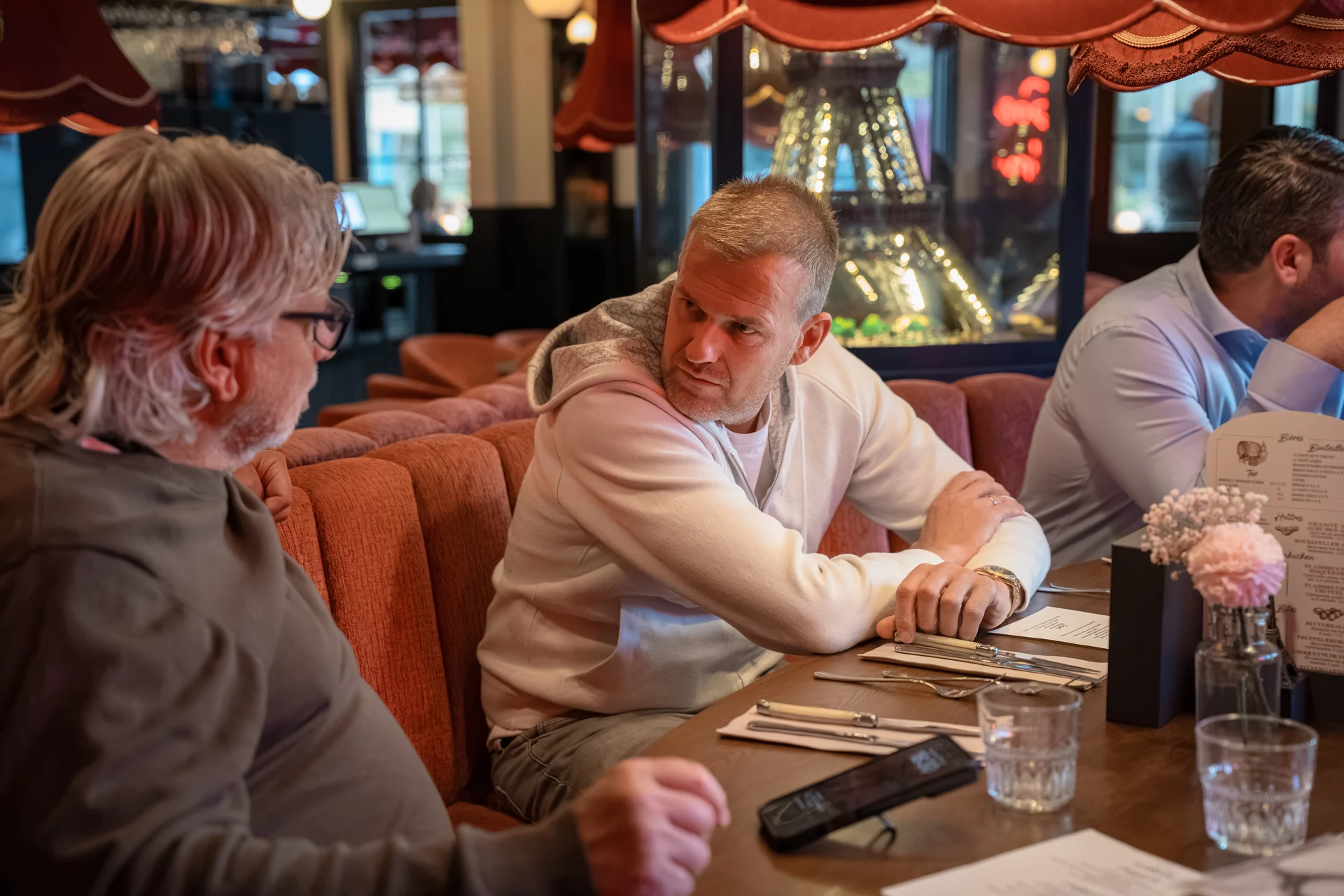
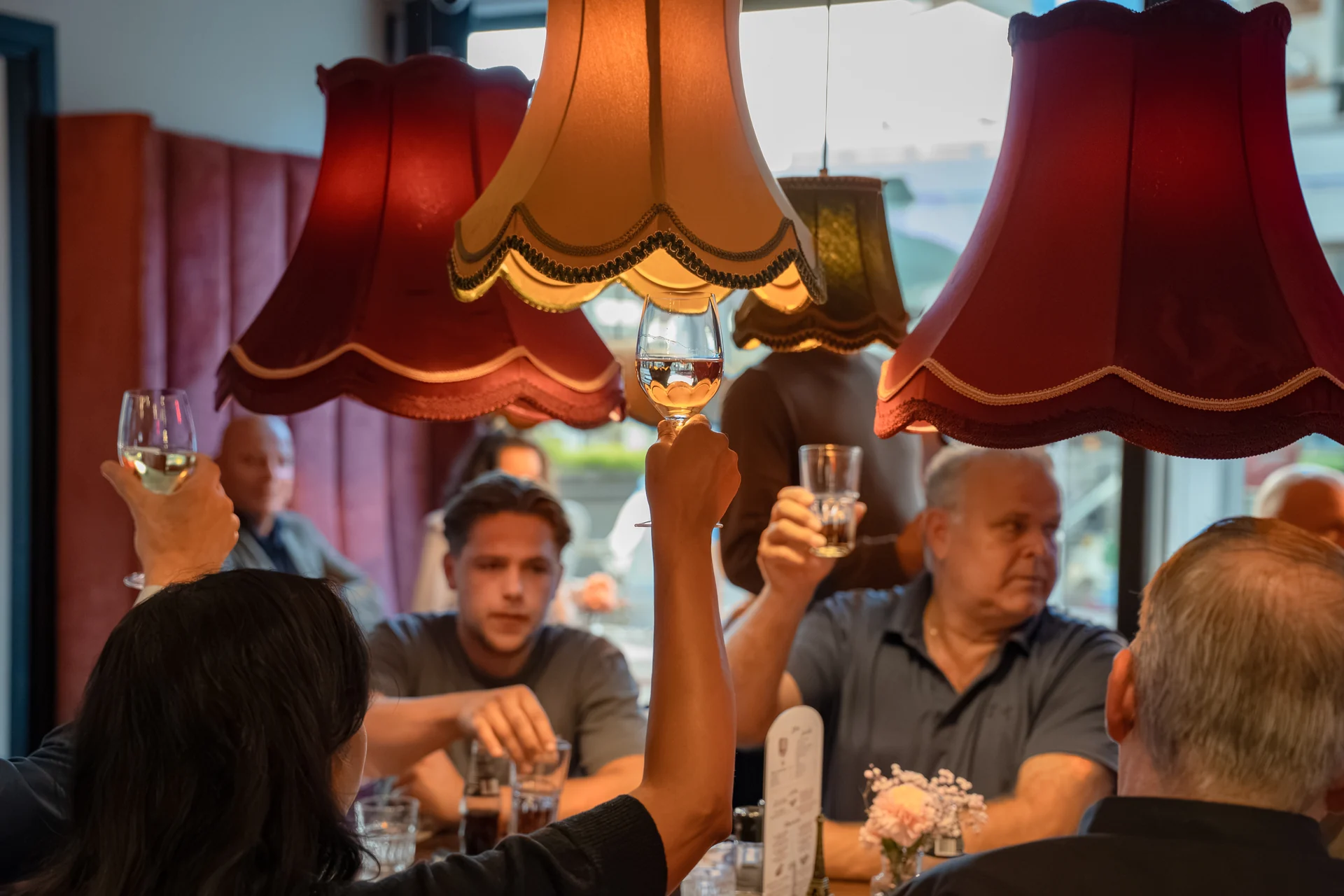
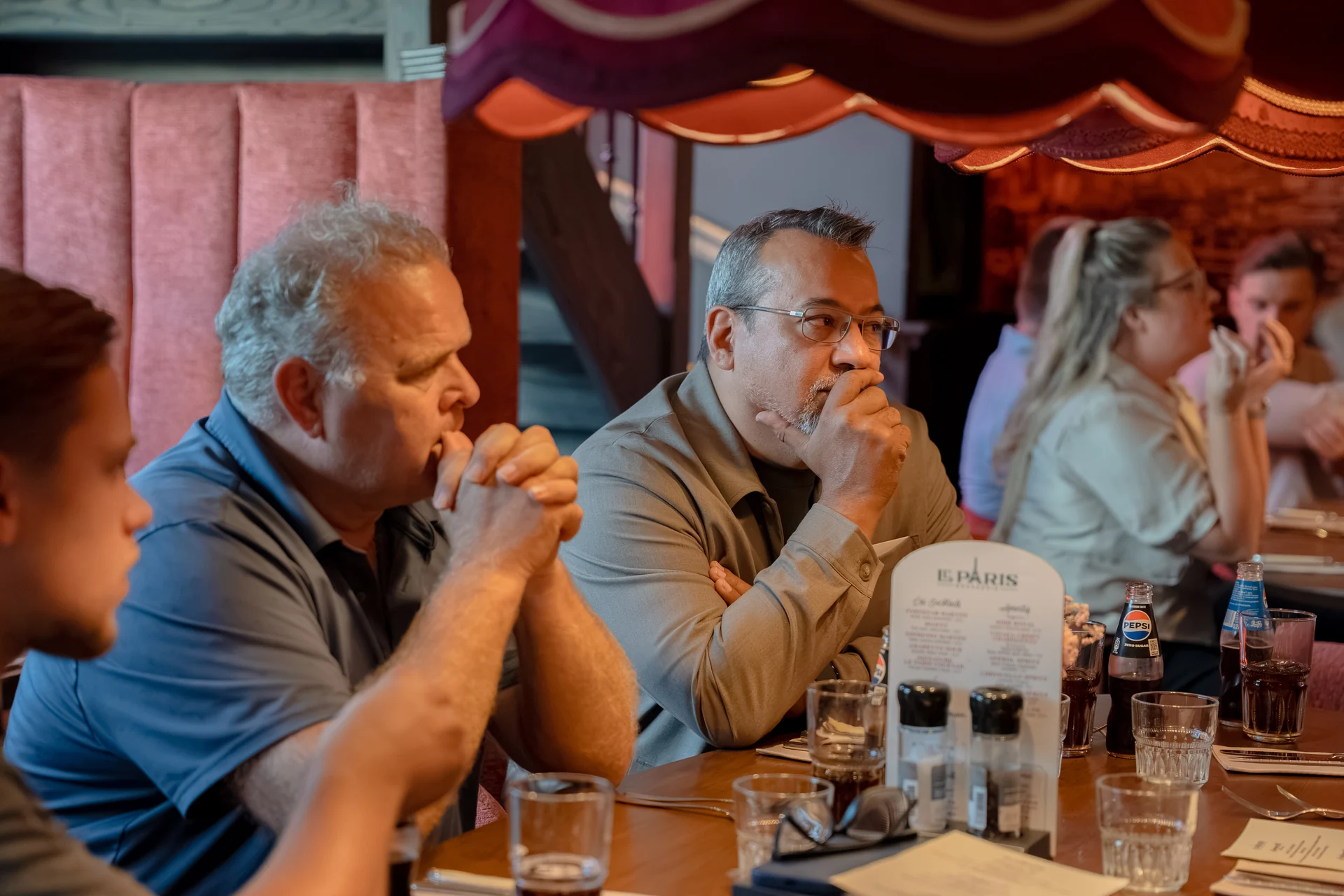
Around the table sat several generations of family entrepreneurs: people who built or carried a business for decades, and people who are taking it over or are preparing to.
The businesses differed in sector, size and history. The families were in different phases of succession. For some the handover was still a question for later; for others it was already under way.
That mix shaped the conversation. Senior heard how the next generation experiences the space it is given. The next generation heard what letting go asks of someone who has given a large part of their life to the business.
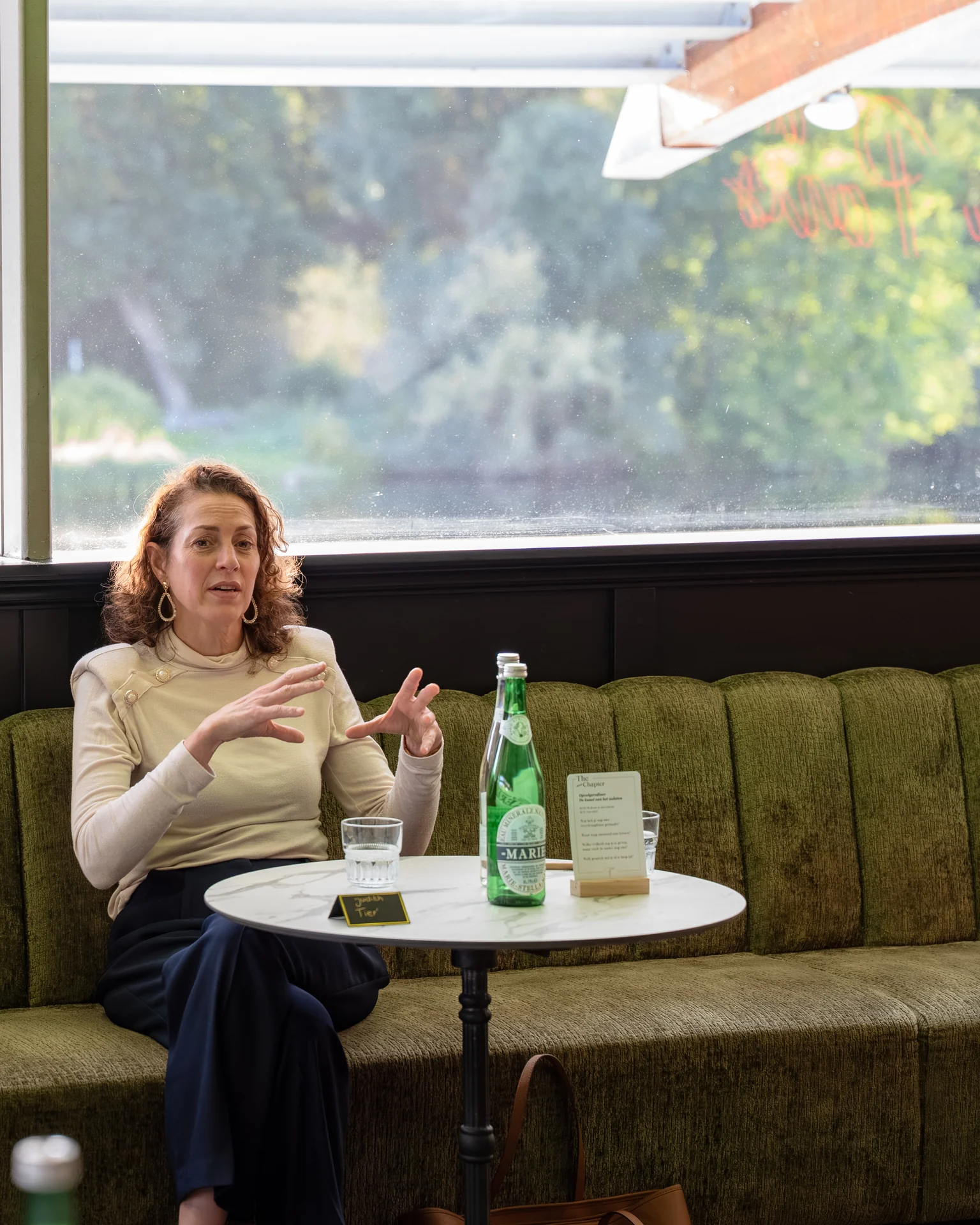
The conversation kept returning to questions of governance that are rarely settled by a succession plan alone. Who decides once the shares have changed hands? How much room does a successor really have to choose a different course? How do family relationships carry over into the way the business is led?
Trust came up in both directions. The outgoing generation needs to trust that what was built is in good hands. The next generation needs the trust to make its own decisions, including ones senior would have made differently.
Succession also turned out to be a long process rather than a single moment. Ownership, responsibility and authority each moved at their own pace, sometimes years apart.

The conversation also touched on what is passed on through relationships and everyday routines. A predecessor's continued presence can offer support, while raising questions about who now leads.
That brings culture into the handover: the values, habits and expectations that shape how people work together. What deserves to stay? What needs room to change?
Our existing Insights explore ownership, decision-making authority, recognised leadership and culture in greater depth.
A few words from guests at the table.
“It was a real pleasure working with her.”
“What a pleasure to work with such a first-rate company and so much knowledge.”
“Well organised and a fantastic day.”