FOOD FOR THOUGHT | EDITION I
When Success Slows You Down
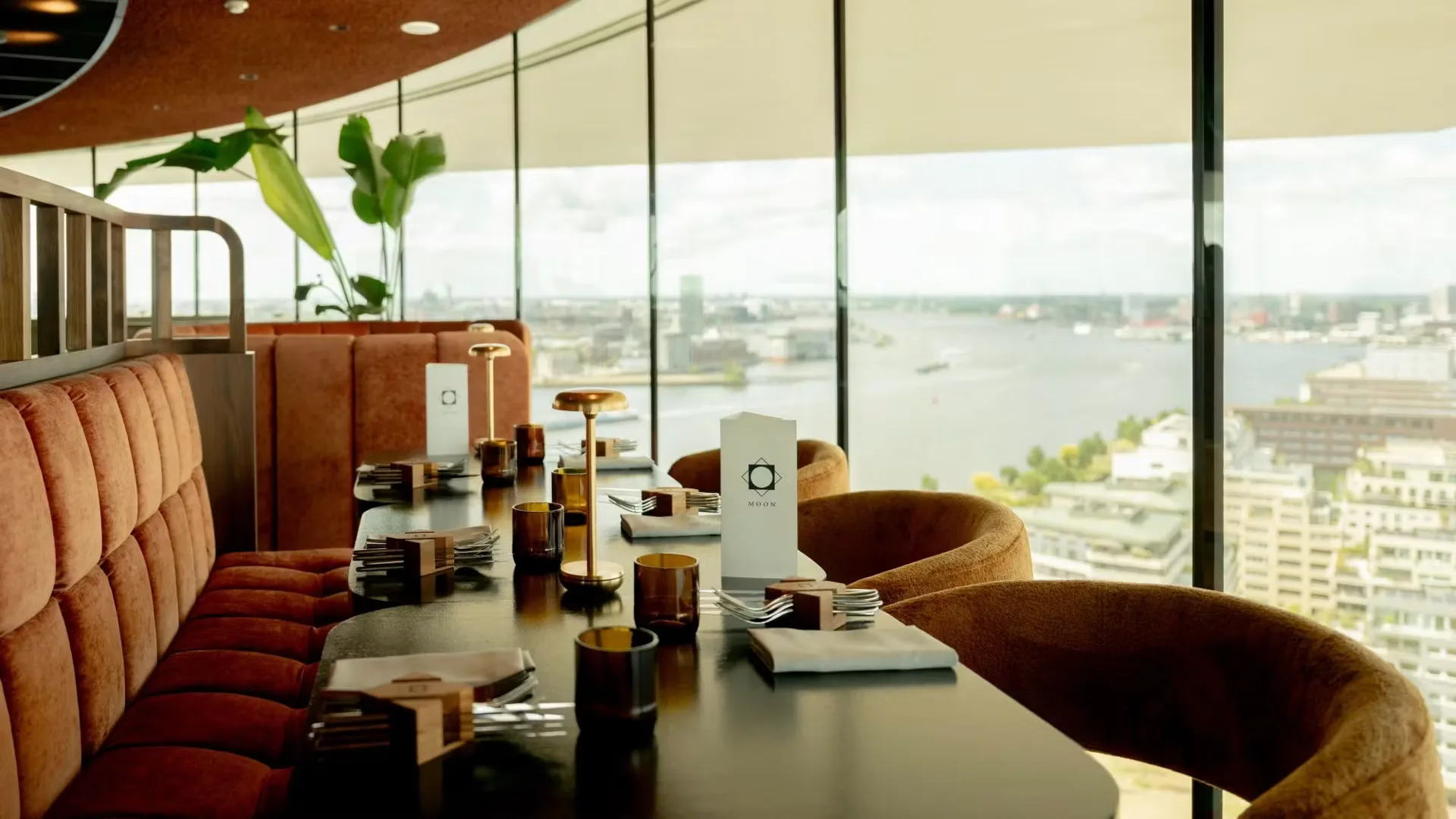
17 September 2026 · MOON, A'DAM Tower · Amsterdam
- Took place on
- 17 September 2026
- Time
- 12:00 – 15:00
- Host
- Milou van Hassel & Raimond Geenen
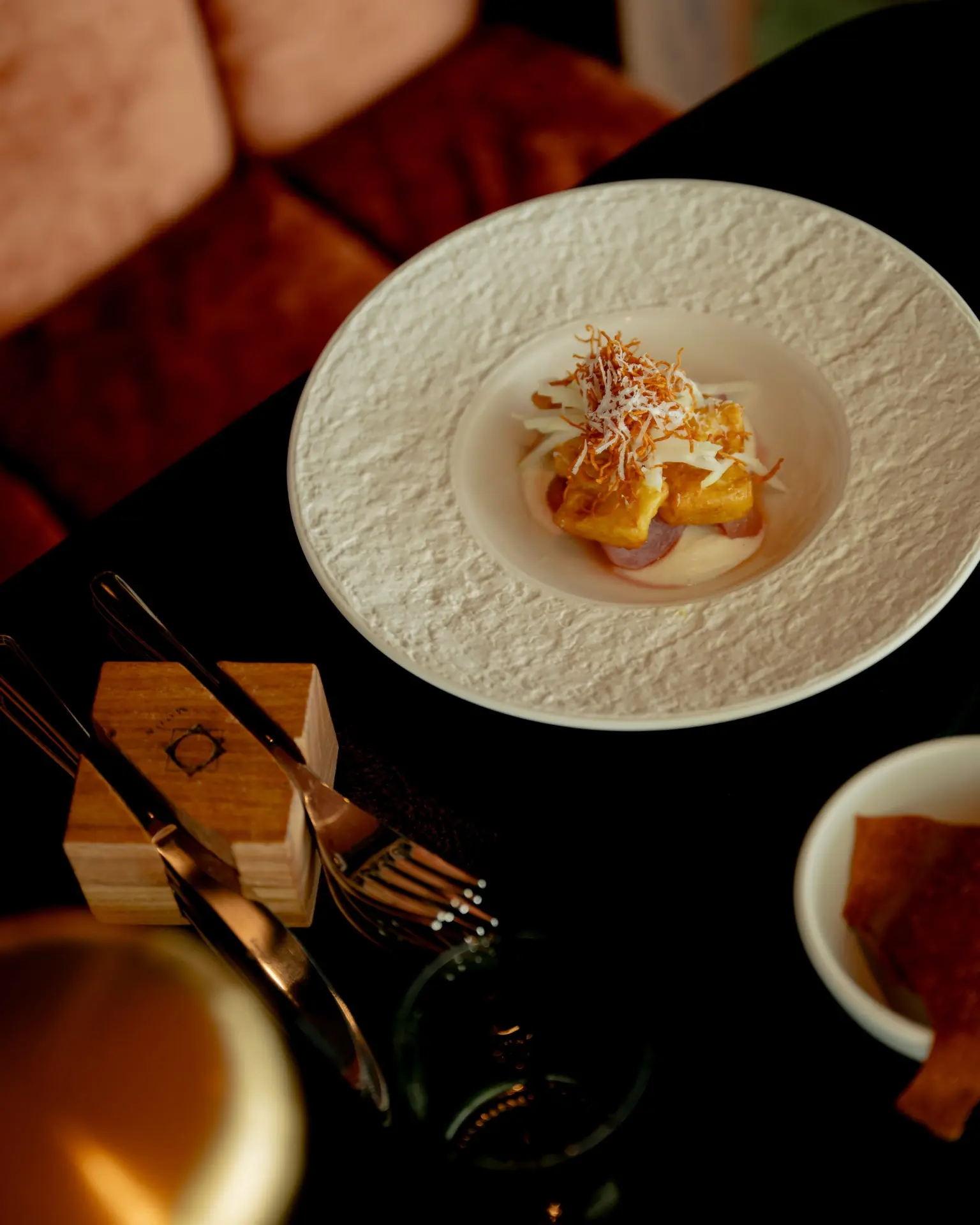
Photo: Moon
Success Leaves a Footprint
Every successful organisation carries the history of what once worked.
Structures that created stability. Processes that improved efficiency. People who became indispensable. Systems designed to maintain control.
Decisions made for good reasons, often under entirely different circumstances.
And because these decisions helped create success, they rarely come under scrutiny.
Until the organisation changes.
What once created speed can eventually create friction. What once provided control can introduce complexity. And the people who carried a company through its earlier stages may find themselves becoming increasingly central to decisions that should now be made elsewhere.
This was the starting point for our first Food for Thought.
17 September 2026 · MOON, A'DAM Tower · Amsterdam
Different Businesses, Familiar Tensions
The table brought together experience of large organisations and the everyday responsibilities of entrepreneurship. Those settings can place very different demands on a decision-maker.
In a larger organisation, an operational signal may pass through several layers before it reaches the people with the authority to act. Each layer has its own responsibilities, its own language and its own view of what matters. The distance between noticing a problem and deciding what to do can grow without anyone intending it to.
In a founder-led business, the route may be much shorter. The person who sees the problem can sometimes change direction immediately. But that speed may depend on the same person remaining available for every exception, every important relationship and every difficult judgement.
One setting asks how to bring a decision closer to the work. Another asks how to make the business less dependent on the person who built it. Neither has a simple answer.
Who owns a decision when several people carry responsibility for its consequences?
Which safeguards still protect the business, and which have become difficult to question?
What needs to remain familiar, and what does the next phase ask leaders to reconsider?
When Movement Is Mistaken for Progress
A company can be busy without becoming better able to do what matters. Projects advance, new systems arrive and responsibilities are redistributed. The work is visible. Its effect can be harder to judge.
The theme of the afternoon invites a distinction between activity and progress. Technology may make an existing process faster without changing the assumptions behind it. More information may reach more people without making ownership of a decision clearer.
For a founder, movement can mean responding to the next urgent question. In a larger organisation, it can mean keeping a programme on schedule. Both can be necessary. Neither, on its own, establishes that the business is moving in the right direction.
That is an uncomfortable question precisely because effort is real. People may be working carefully and with commitment inside an arrangement that no longer serves the organisation as well as it once did.
The point is not to dismiss the work. It is to examine what the work is changing, and which assumptions deserve attention before the organisation accelerates again.
The Value of Another Perspective
Different responsibilities bring different ways of interpreting the same strategic tension. Someone close to operations may notice a consequence that a leadership team sees only later. Someone accountable for the whole business may recognise a constraint that is less visible within a single function.
Food for Thought is designed to put those perspectives in the same room, without turning the table into a presentation, a panel or a competition to provide the most confident answer.
The value lies in being able to examine a question beyond the habits and assumptions of one's own environment. Recognition can be useful. So can a different interpretation.
What from your current success are you willing to reconsider to make room for what comes next?
In Their Own Words
The people around the table make the difference. So does the environment in which they meet.
“Milou is able to create an atmosphere where everyone feels safe and valued. This leads to meaningful conversations, sparked by her open questions and constructively critical approach. By bringing together people with different backgrounds and experiences, new perspectives and insights emerge almost naturally.”
Chris Werner
Senior Executive Supply Chain & Operations
LinkedIn Services Reviews · Live events · 6 October 2026. Translated from Dutch and republished with permission.
“A well-prepared and well-organised gathering, with an open and constructive dialogue that offered different insights. Wonderful to meet and speak with people from different backgrounds and experiences in this way.”
Carlos Mendes Aguiar
Managing Director & CCO
LinkedIn Services Reviews · Live events · 6 October 2026. Translated from Dutch and republished with permission.
About Food for Thought
Food for Thought is an invitation-only executive roundtable series created and curated by Milou van Hassel, founder of Tier¹.
Each edition brings together eight carefully selected founders, CEOs, entrepreneurs and senior executives from different industries and business environments. One recognisable strategic tension gives the table its focus. Three hours, including lunch, give it room.
The setting changes. The question changes. The people around the table change.
The purpose remains intellectual exchange: recognising a familiar difficulty, examining an assumption and considering a perspective shaped by different responsibilities. Personal invitations and confidential conversations are central to the concept.
The inaugural edition at MOON Amsterdam was hosted by Milou van Hassel and Raimond Geenen. Personal invitations and confidential conversations shape each table. The Chatham House Rule applies. No presentations, panels or traditional networking format.
Explore Tier¹ Boardroom-as-a-ServiceNext Edition: When Loyalty Gets Expensive
Food for Thought | Edition II
Loyalty can be one of the greatest strengths of a business.
To the people who helped build it. To customers who have been there for years. To partners, suppliers and agreements that once made perfect sense.
But what happens when maintaining those relationships comes at an increasing cost?
And when does loyalty become a reason to postpone a decision that has already been made in your mind?
The next Food for Thought explores the tension between loyalty, responsibility and necessary change.
Invitation only · The Residence, Oss
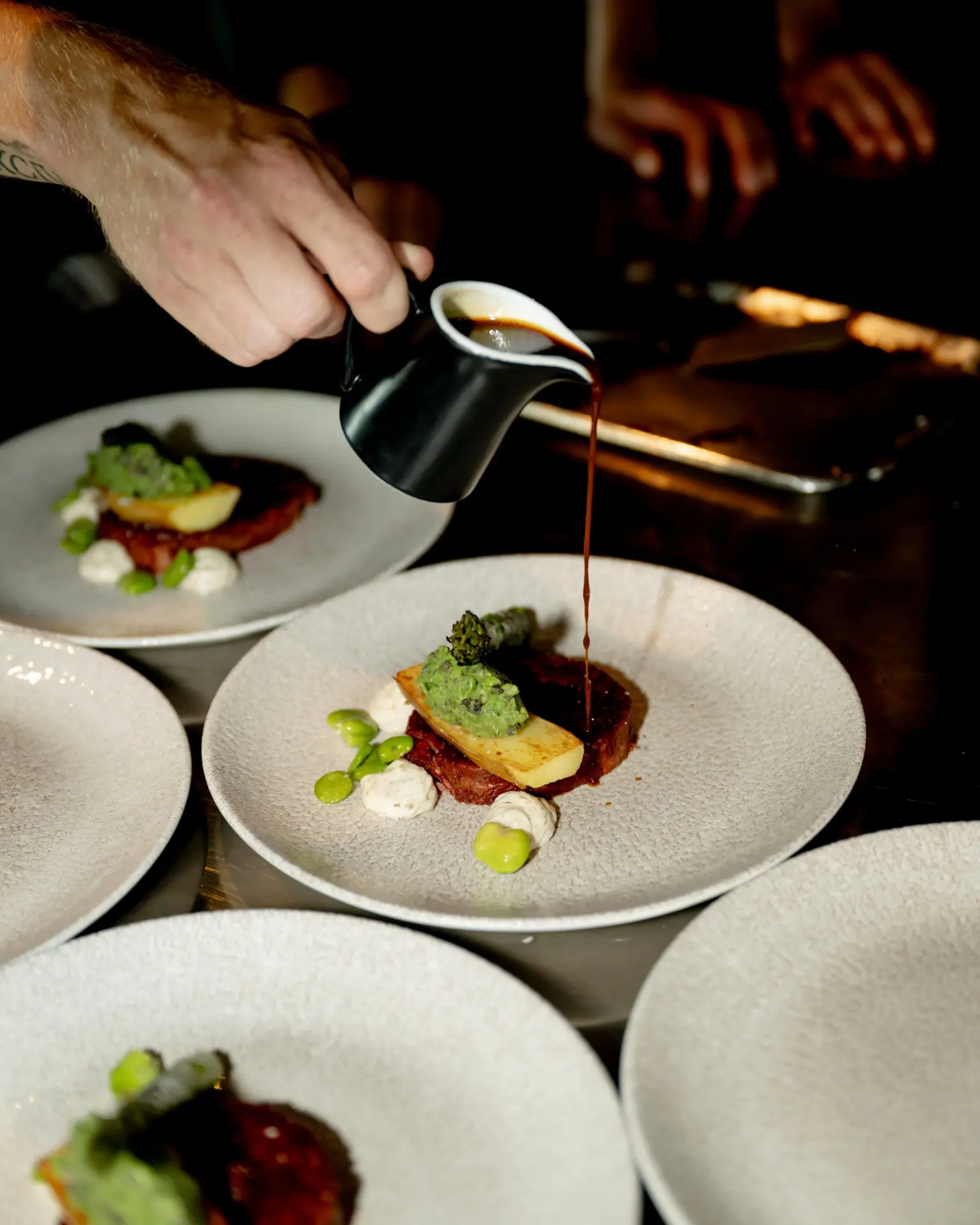
Photo: Moon
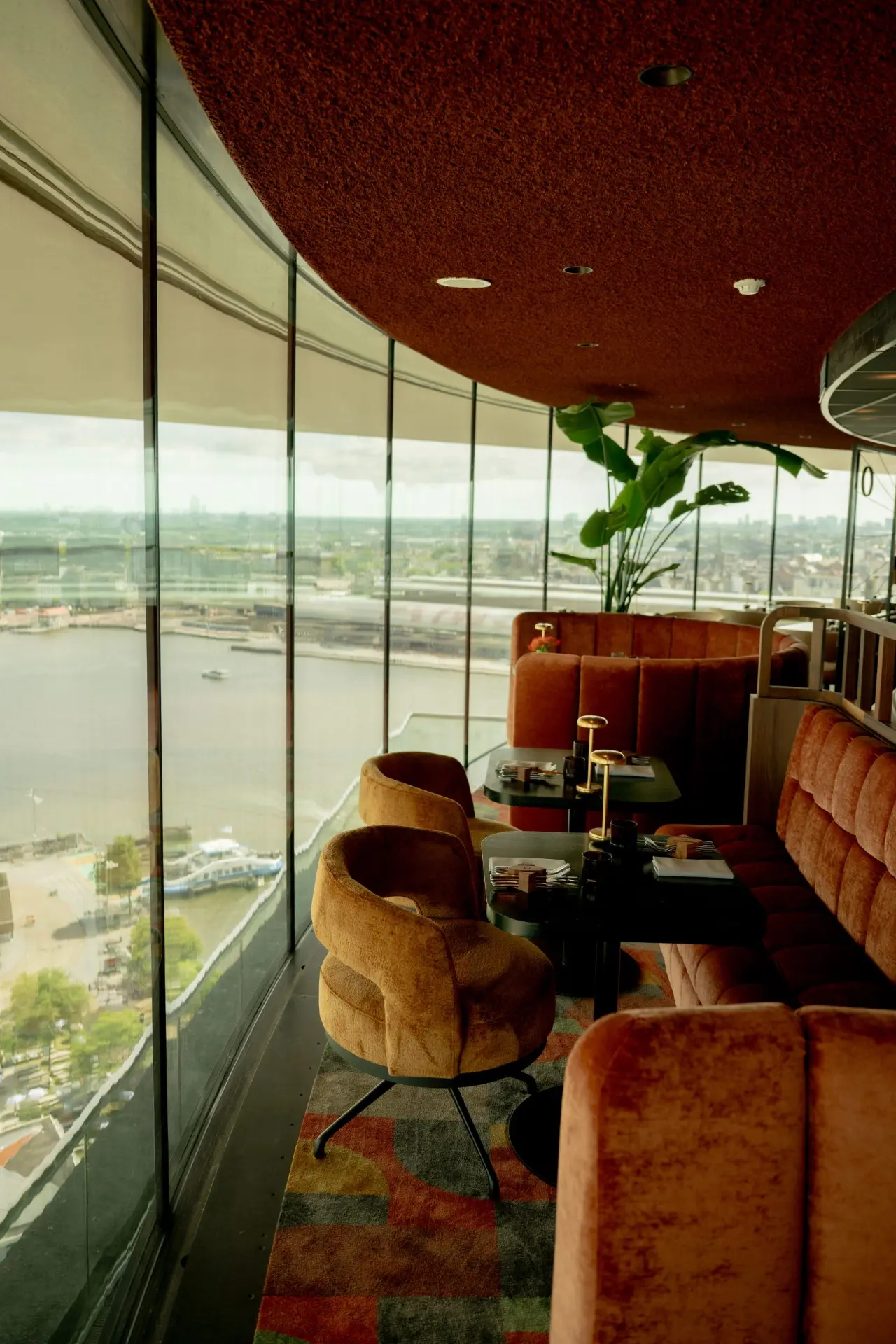
Photo: Moon
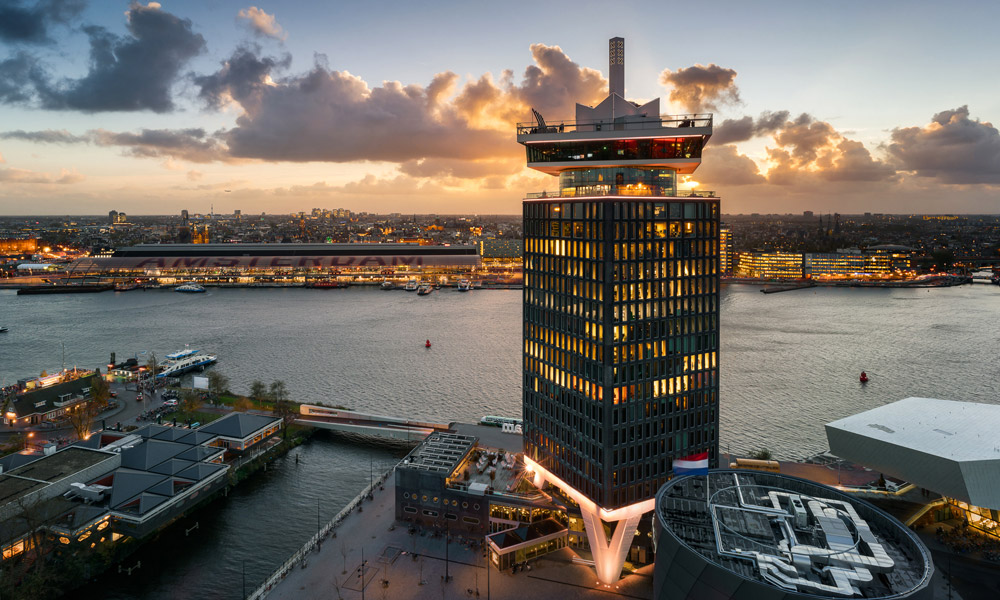
Photo: Moon

Photo: Milou van Hassel
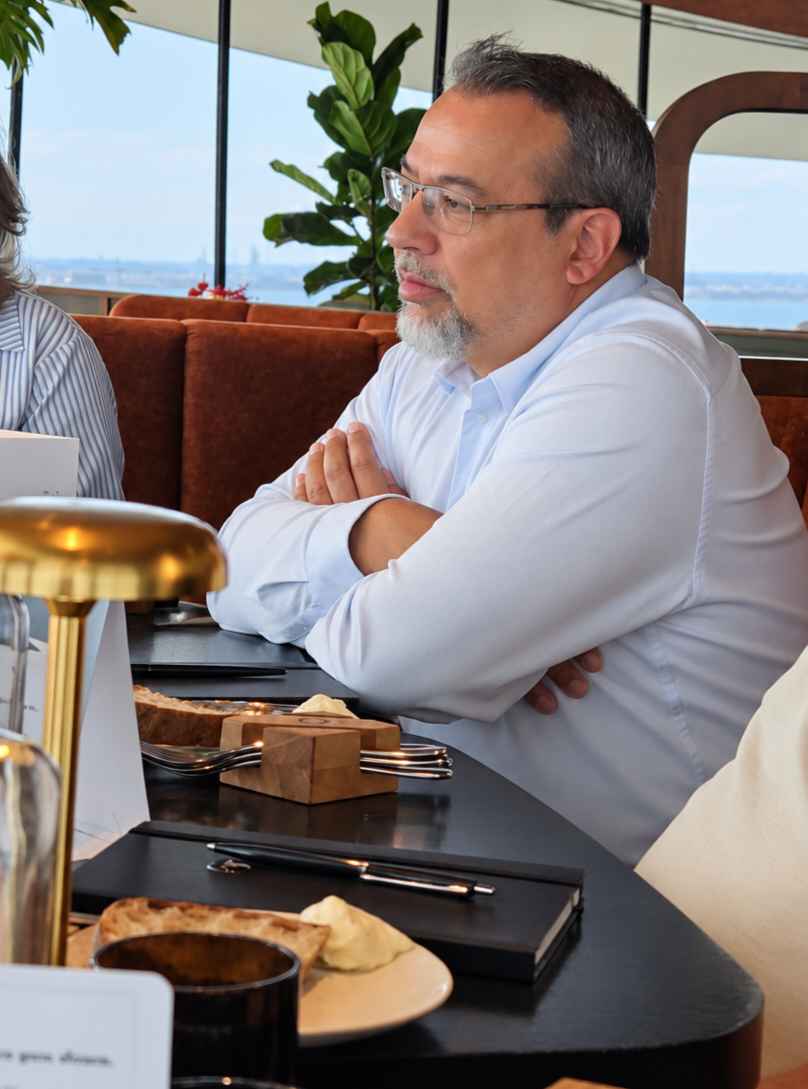
Photo: Milou van Hassel
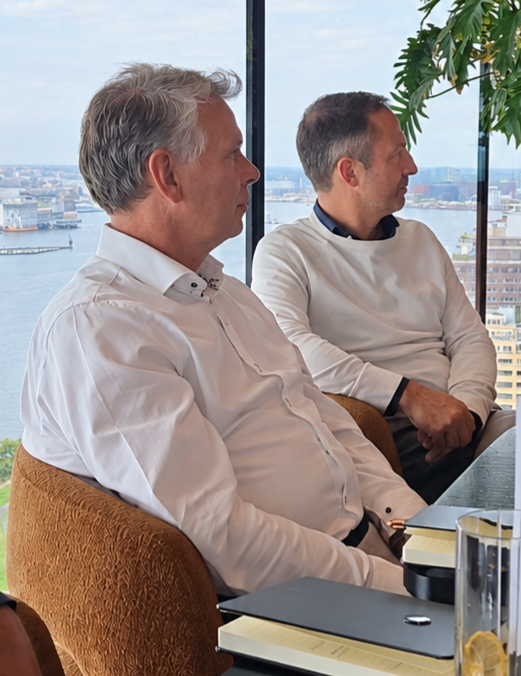
Photo: Milou van Hassel
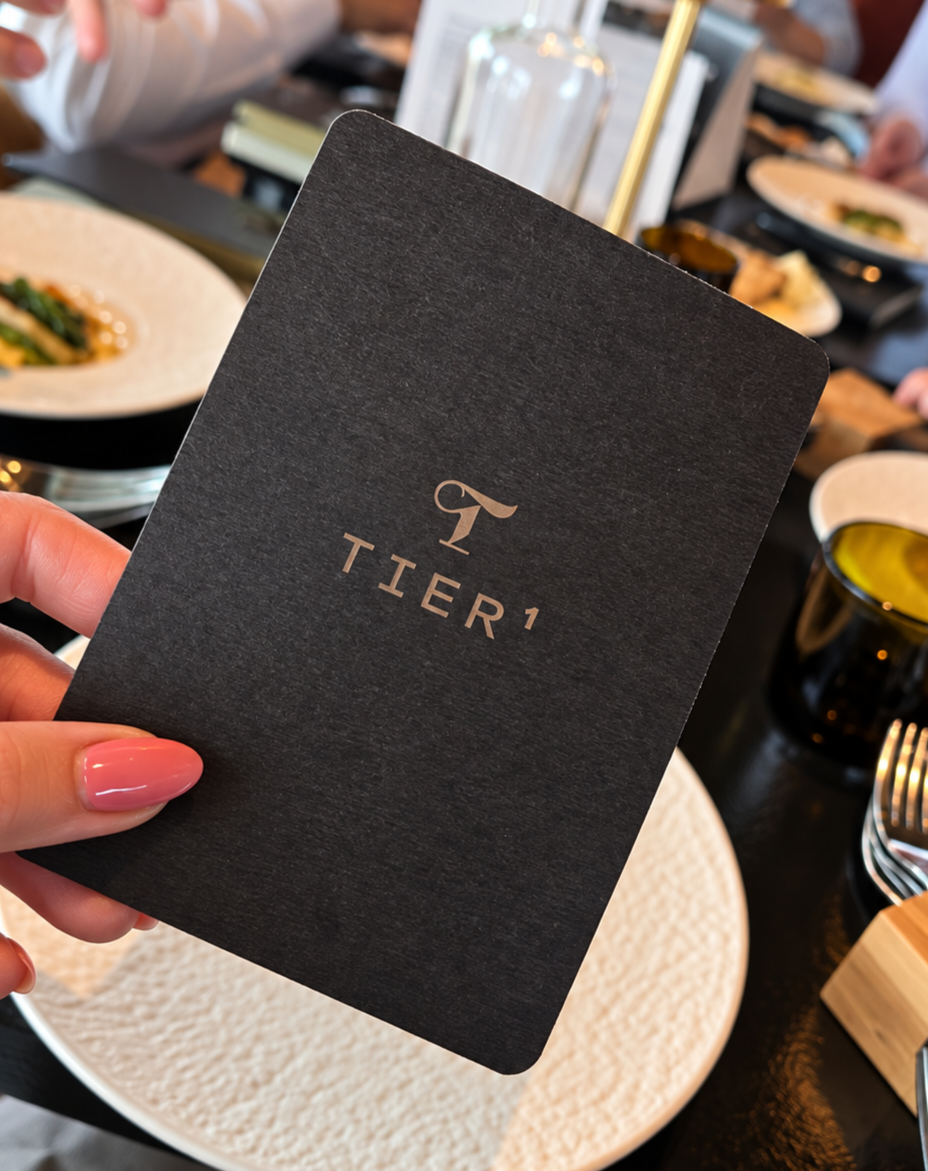
Photo: Milou van Hassel
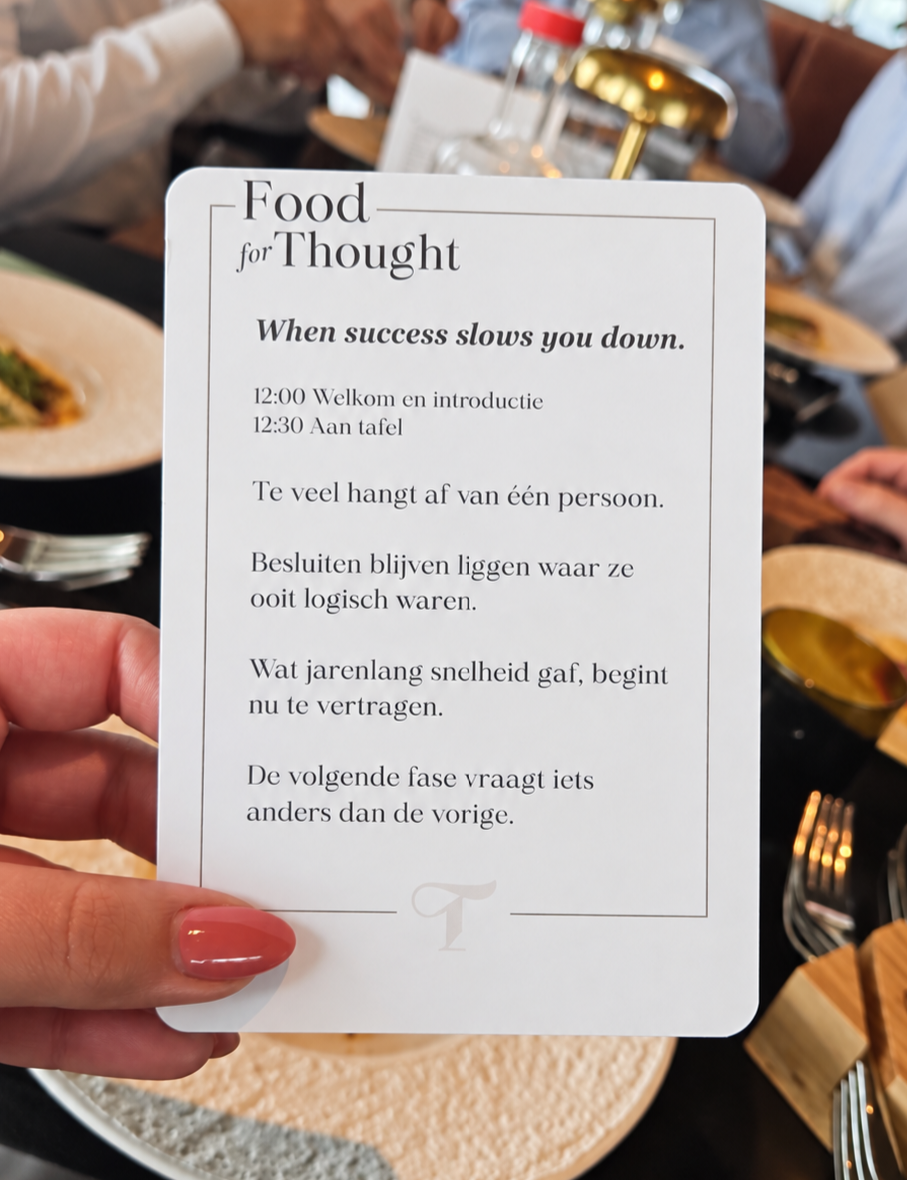
Photo: Milou van Hassel

Photo: Milou van Hassel
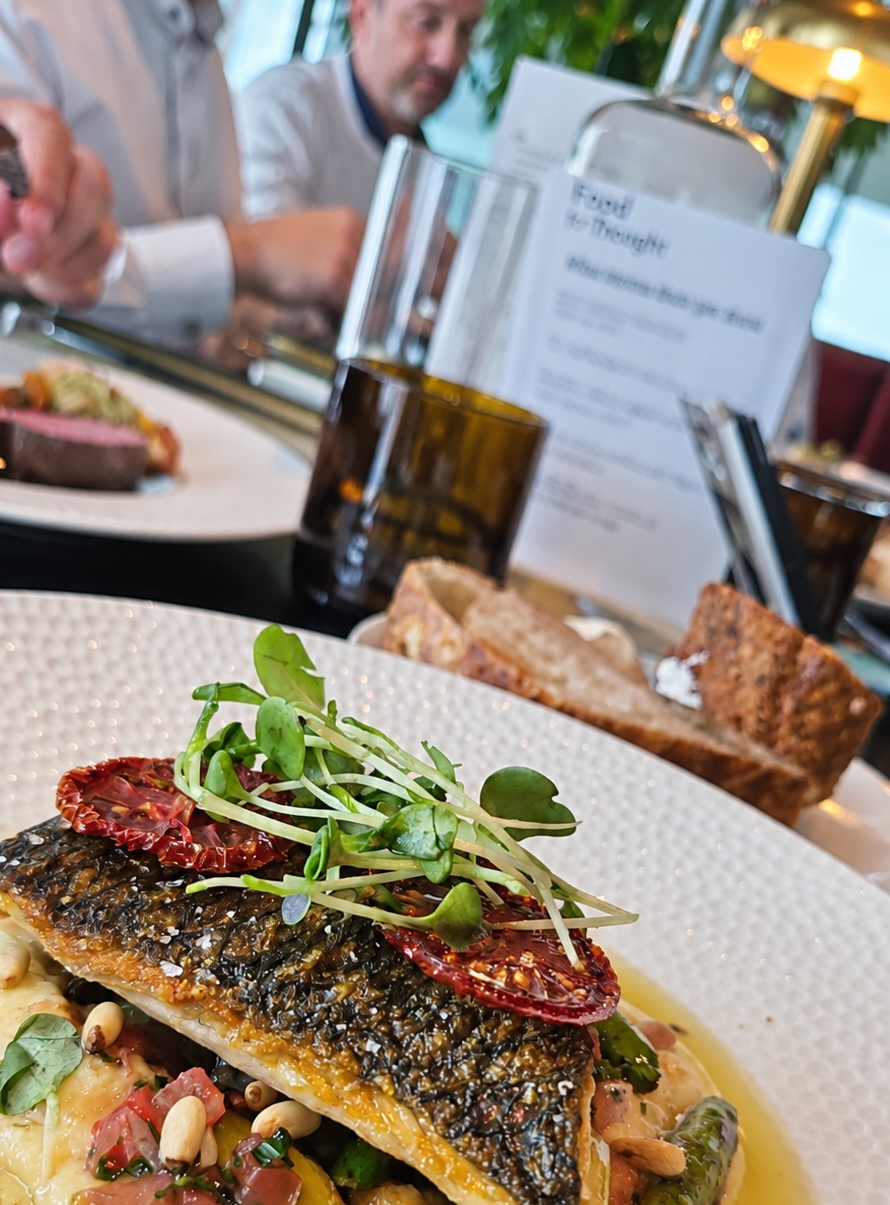
Photo: Milou van Hassel
Frequently asked questions
Other gatherings